Here's a surprising fact about testosterone supplements: most don't work. A review of top-selling "testosterone boosters" found that fewer than 1 in 4 ingredients had any human data behind them. The gap between marketing and science is enormous.
So what does the evidence actually support? Medical options like hCG (human chorionic gonadotropin) and TRT (testosterone replacement therapy) are the most effective — hCG nearly doubled testosterone in men with low levels, raising it from about 285 to 566 ng/dL. Among true supplements, fenugreek (an herb) gave healthy men a small but real 13% boost. Vitamin D3 helped — but only in men who were already deficient. And several popular supplements, including curcumin and omega-3s, actually *lowered* testosterone. If your goal is higher levels, those work against you.
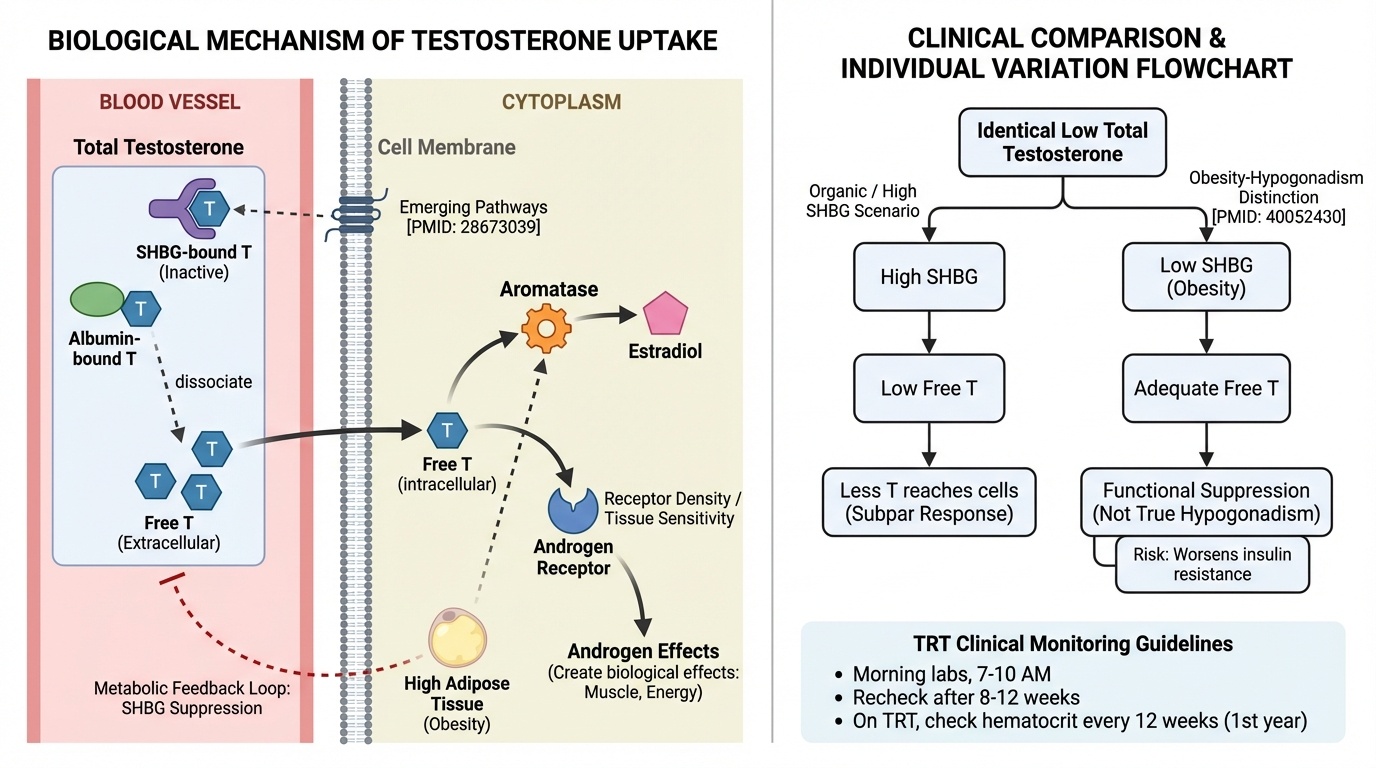
Here's where to start. Get your vitamin D tested. If it's below 20 ng/mL, take 3,000–5,000 IU of vitamin D3 daily with a fat-containing meal. Try fenugreek at 500–600 mg per day of a standardized extract for a modest natural boost. If you're over 40 with confirmed low DHEA-S levels, 50–100 mg of DHEA daily is reasonable. But for real testosterone problems — levels below 300 ng/dL with symptoms — talk to a doctor. Prescription options like hCG or TRT are far more effective than anything on a store shelf.